Living with IH
Major Burdens of IH
Symptom Support
While all patients with IH experience excessive daytime sleepiness, the presence of other symptoms vary. These can include:3
- Brain fog (83% of patients): a common group of symptoms that affects how you think, remember, and concentrate; for example, forgetting how to do ordinary tasks or losing your train of thought
- Sleep inertia (79%): temporary state of impaired cognitive and physical ability when you wake up
- Long sleep time (51%): sleeping >10 hours at a time or requiring a nap3
Other symptoms can include headache, increase in blood pressure when standing up, temperature imbalance, and changes in blood flow to the extremities.2,3,4 As a result, each patient needs to be supported based on their individual symptoms and considerations.

Comorbidity Support
Many patients with IH present with additional medical problems (comorbidities). For example, patients with IH are more likely to have sleep apnea, hypertension, hyperlipidemia, diabetes, mood disorders, and headache/migraine than non-IH individuals.5 You may be living with some of these other conditions, which also require management by your clinician.
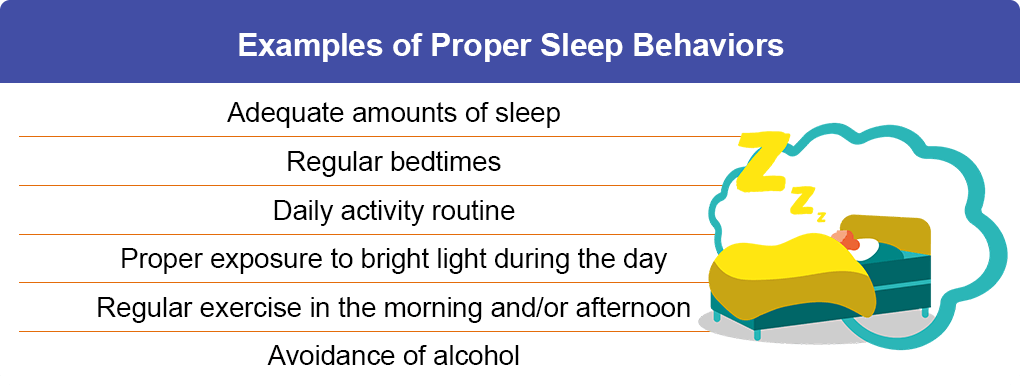

Lifestyle Support
Cardiovascular Health Support
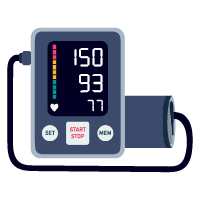
Hypertension (46%)

High cholesterol (30%)
Cardiovascular disease (24%)

Use of diabetes and obesity medications (20%)
The relationship between IH and CV risk may result from several origins:
- Diet: one study showed that replacing 5% of protein intake with saturated fat increased the likelihood of EDS by 57%.7 Moreover, substitution of saturated fat with unsaturated fat reduced the odds of EDS by 26%. Consuming processed food such as pre-packaged noodles, deli meats, candy, and sugar-sweetened beverages increased the likelihood of EDS by 55% in another study8
- Gut Microbiome Dysfunction: Diets that are high in fat, sugar, and sodium promote problems with bacteria in the stomach, which is a strong stimulus for inflammation throughout the body. EDS has been linked with elevated inflammation for decades; bacterial imbalance in the stomach may be a common bond, linking diet, sleepiness and CV risk
- Genetics: Genetic predispositions for sleep disorders have been previously reported.9 At this time, multiple genome-wide association studies have identified a role for predispositions in the etiology of EDS
As a result, assessment of CV health is an important aspect of both short- and long-term management of patients with IH and symptoms of EDS.
References
- Stevens J, Schneider LD, Husain AM, et al. Impairment in functioning and quality of life in patients with idiopathic hypersomnia: The Real-World Idiopathic Hypersomnia Outcomes Study (ARISE). Nat Sci Sleep. 2023;15:593-606. doi:10.2147/NSS.S396641
- Thorpy MJ, Krahn L, Ruoff C, Foldvary-Schaefer N. Clinical considerations in the treatment of idiopathic hypersomnia. Sleep Med. 2024;119:488-498. doi:10.1016/j.sleep.2024.05.013
- Trotti LM, Ong JC, Plante DT, Friederich Murray C, King R, Bliwise DL. Disease symptomatology and response to treatment in people with idiopathic hypersomnia: Initial data from the Hypersomnia Foundation registry. Sleep Med. 2020;75:343-349. doi:10.1016/j.sleep.2020.08.034
- Saad R, Prince p, Taylor B, Ben-Joseph RH. Characteristics of adults newly diagnosed with idiopathic hypersomnia in the United States. Sleep Epidemiol. 2023;3:100059. doi:10.1016/j.sleepe.2023.100059
Saad R, Lillaney P, Profant DA, et al. Cardiovascular burden of individuals diagnosed with idiopathic hypersomnia: Real-World Idiopathic Hypersomnia Total Health Model (CV-RHYTHM). Sleep Med. 2025;133:106587.
- Bock J, Covassin N, Somers V. Excessive daytime sleepiness: An emerging marker of cardiovascular risk. Heart. 2022;108:1761-1766. doi:10.1136/heartjnl-2021-319596
- Melaku YA, Reynolds AC, Gill TK, Appleton S, Adams R. Association between macronutrient intake and excessive daytime sleepiness: An iso-caloric substitution analysis from the Northwest Adelaide Health Study. Nutrients. 2019;11:2374. doi:10.3390/nu11102374
- Malheiros LEA, da Costa BGG, Lopes MVV, Chaput JP, Silva KS. Association between physical activity, screen time activities, diet patterns and daytime sleepiness in a sample of Brazilian adolescents. Sleep Med. 2021;78:1-6. doi:10.1016/j.sleep.2020.12.004
- Strausz S, Ruotsalainen S, Ollila HM, et al. Genetic analysis of obstructive sleep apnea discovers a strong association with cardiometabolic health. Eur Respir J. 2021;57:2003091. doi:10.1183/13993003.03091-2020
All URLs accessed September 2, 2025